
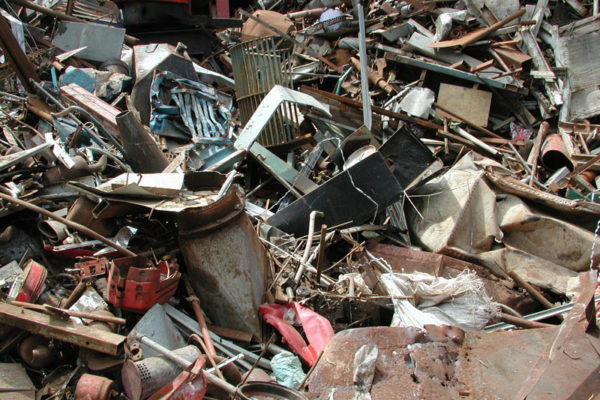
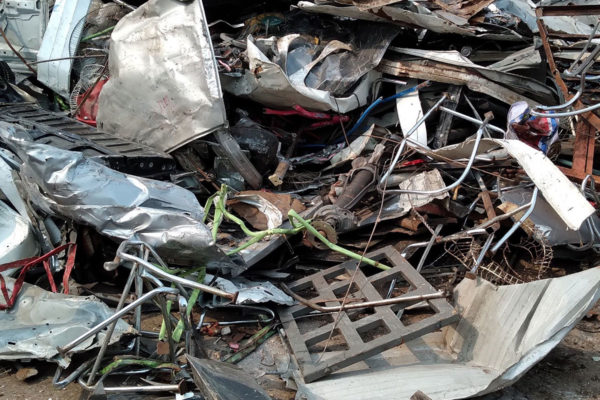
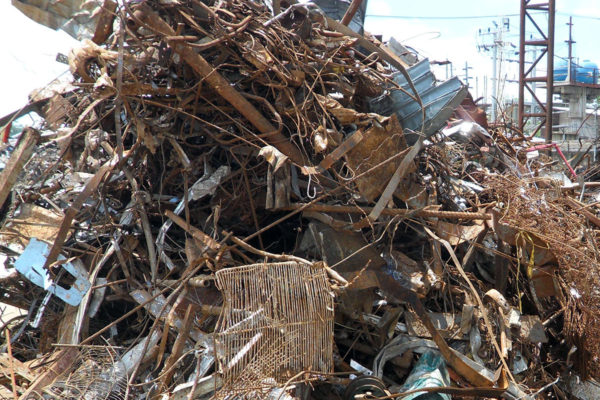
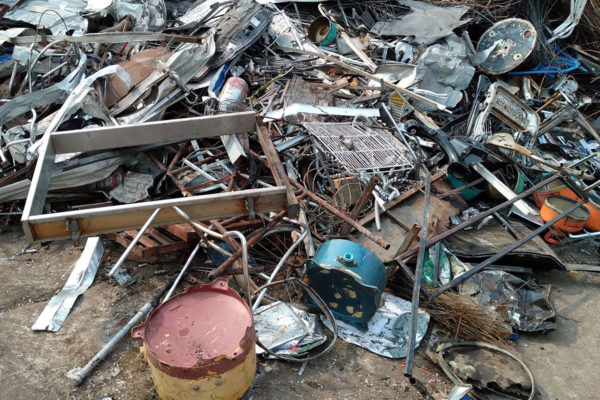

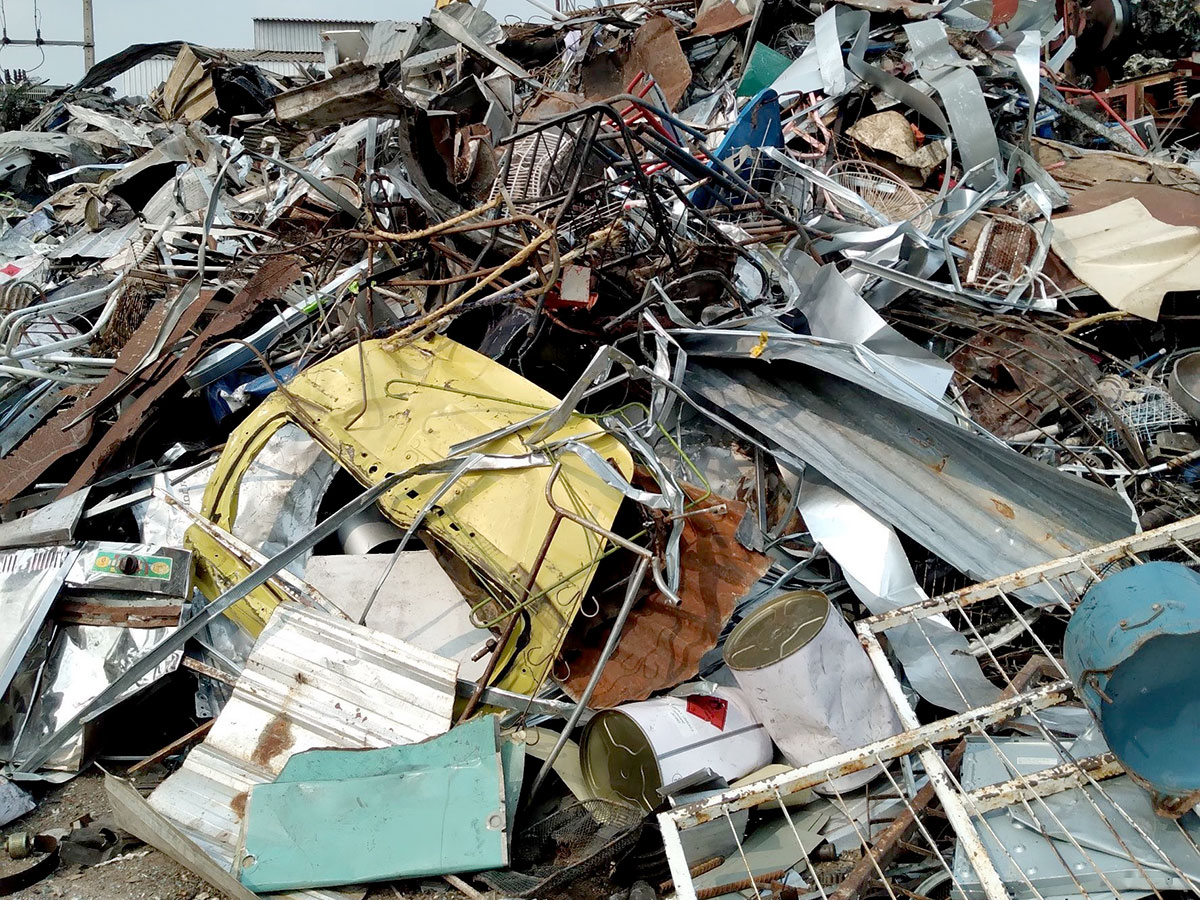
Typical material
Plate, structural steel, heavy pipe, cut steel and prepared thick ferrous pieces.
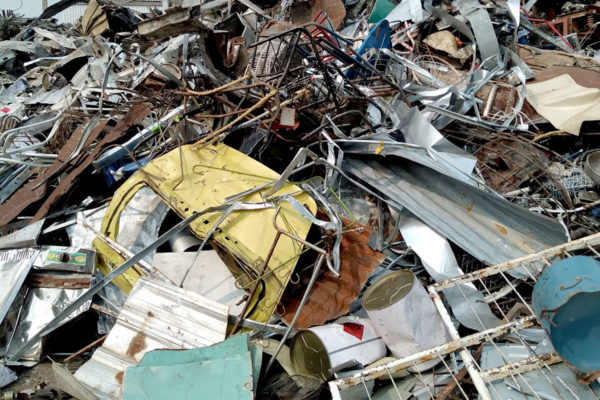
A combination of HMS1 and HMS2 at the proportion of 20% HMS1(thick) and 80% HMS2(thin).
Thick scrap: Thickness = More than 3 mm.
Steel pipes, channel steel, steel plates, C-channel steel, box channel steel, short deformed bar steel, structural steel
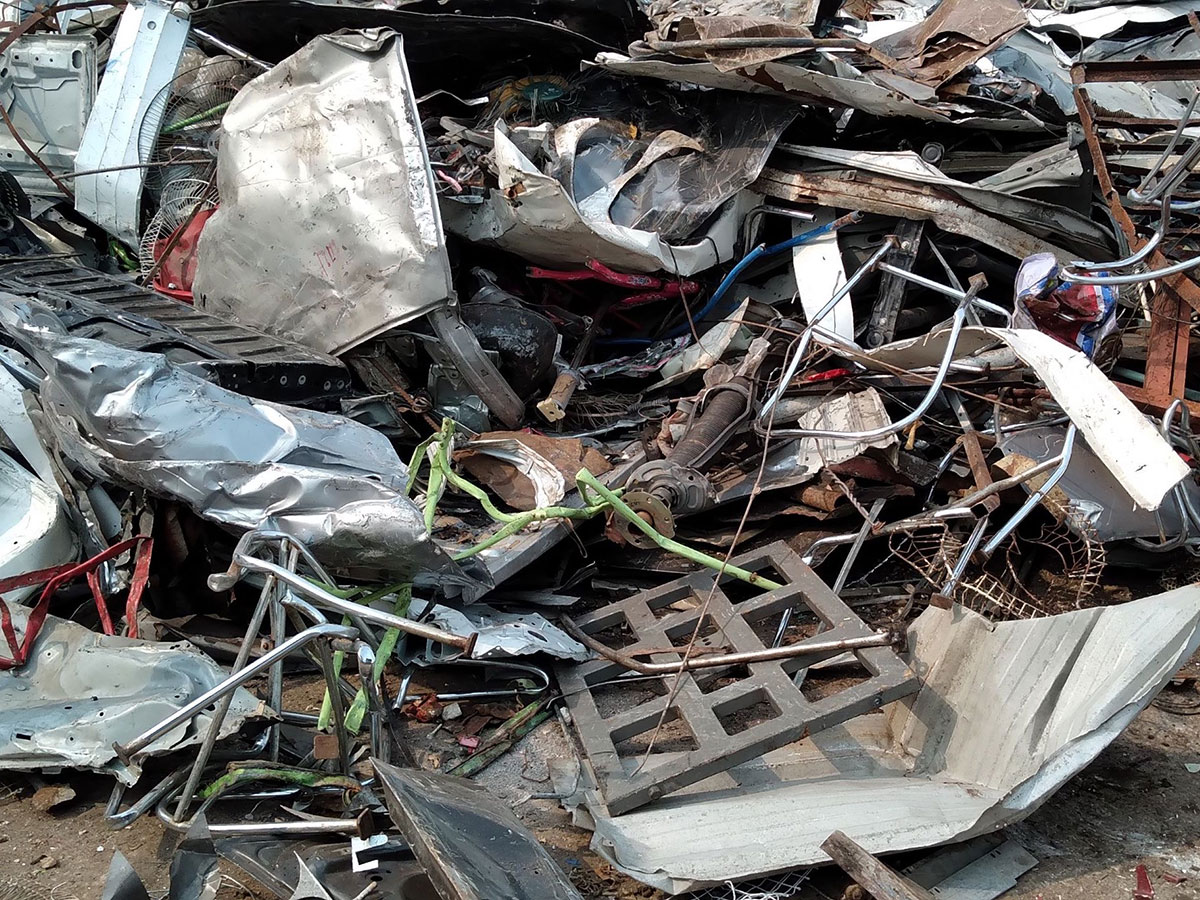
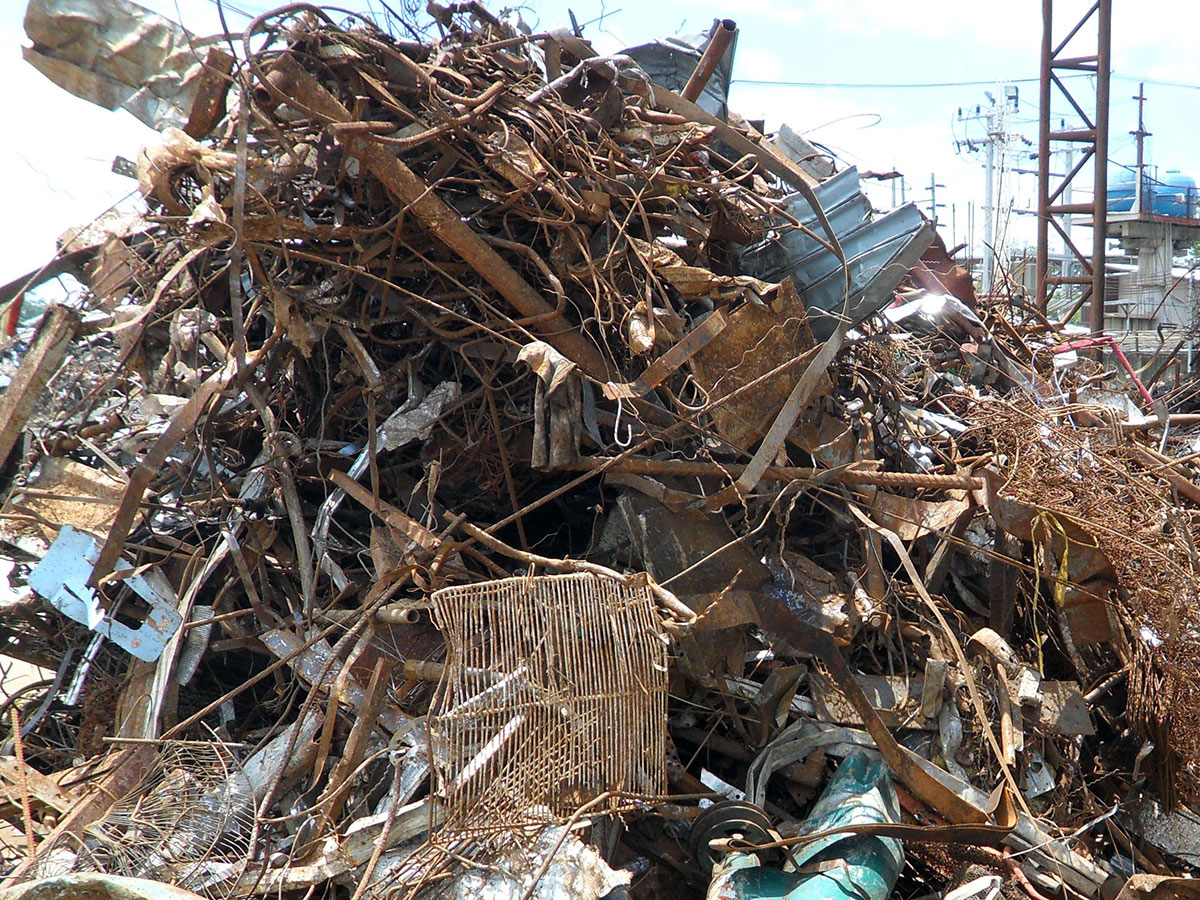
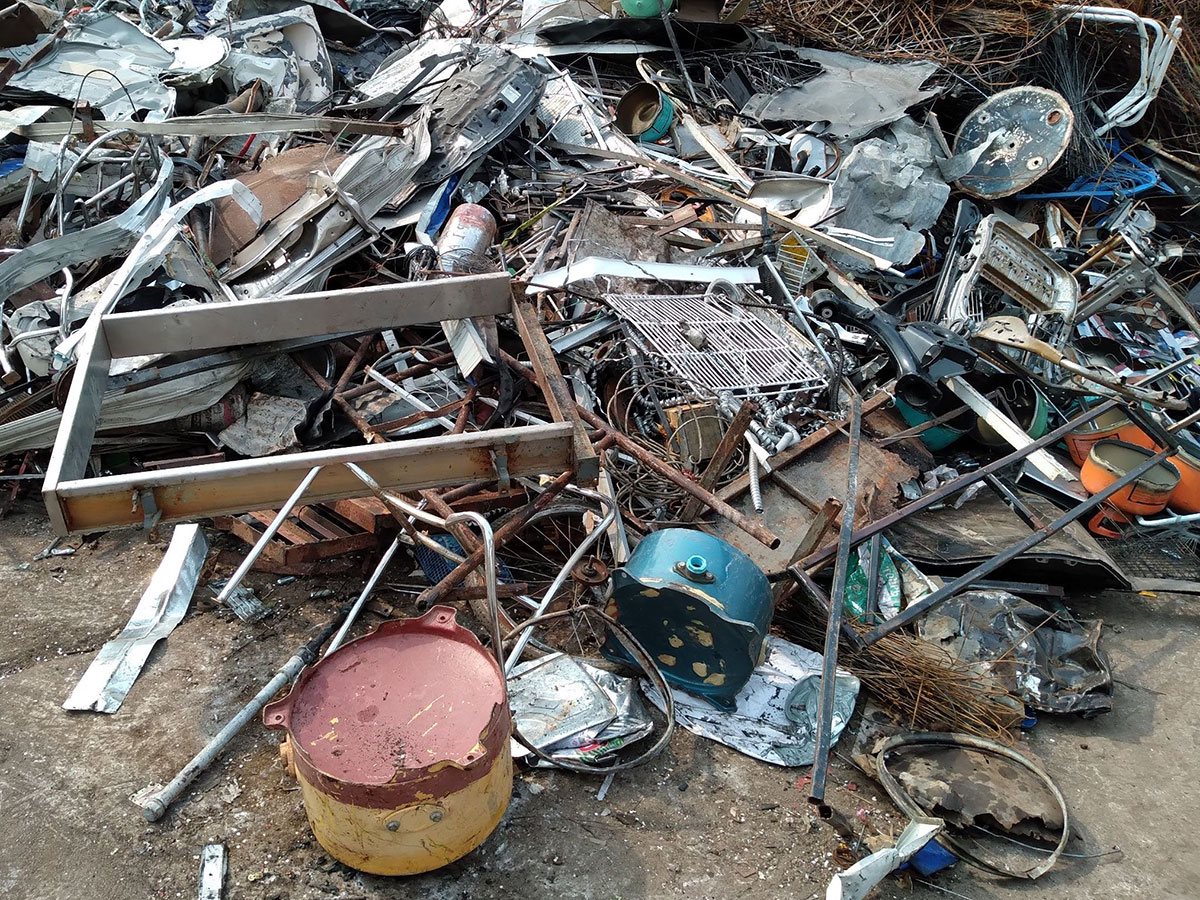
Thin scrap: Thickness = 1 – 3 mm.
Automotive parts, steel chairs, refridgerators, cooking pots, microwave ovens, washing machines, drying machines, dish washers, bicycle bodies, steel wheels, used thin stamping plates, nails, steel nets, rolling steel doors, steel furniture, open-top 200-liter steel cylinders, cylinder lids, fan grill, thin steel pipes, rebar.
HMS and heavy mixed steel are valued differently from light sheet scrap because thickness, density and preparation work affect melting and transport. For 20-style mixed heavy scrap, contamination and lighter material share should be checked carefully before pricing.
Plate, structural steel, heavy pipe, cut steel and prepared thick ferrous pieces.
Thickness, heavy/light ratio, galvanized or painted pieces, concrete, rubber, plastic and oversize items.
Send wide and close-up photos, approximate weight, largest piece size and loading location.
HMS1-20 is evaluated as heavier ferrous scrap. The team checks thickness, density, cutting requirements and whether lighter or coated material is mixed into the load. For 20-style mixed heavy scrap, contamination and lighter material share should be checked carefully before pricing.
They are used to discuss the mix of heavier prepared steel and lighter or secondary pieces, but real buying decisions still depend on photos, inspection, cleanliness and transport conditions.
Main factors are grade, thickness, oversize cutting, rust, coating, non-steel contamination, quantity, loading access and the ferrous scrap market on that day.
Keep concrete, rubber, plastic, wood and non-ferrous metals out of the pile. If large pieces need torch cutting, show them clearly in the photos.