
Typical material
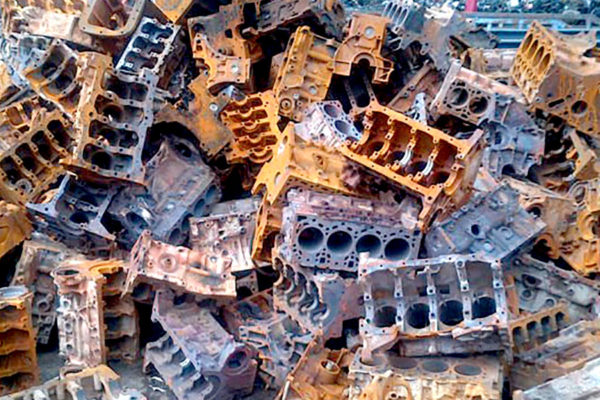
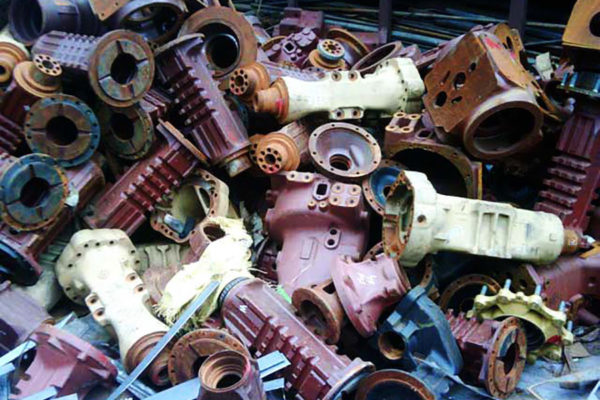
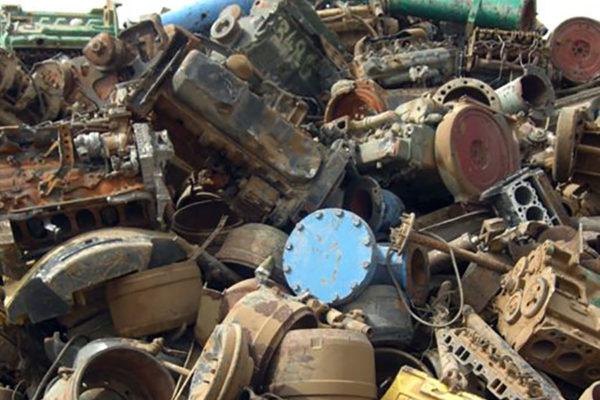
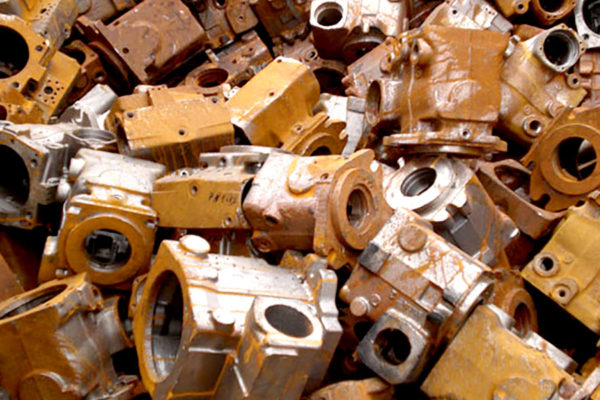
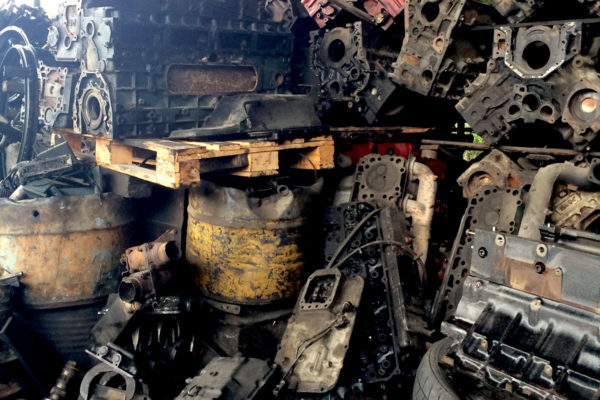
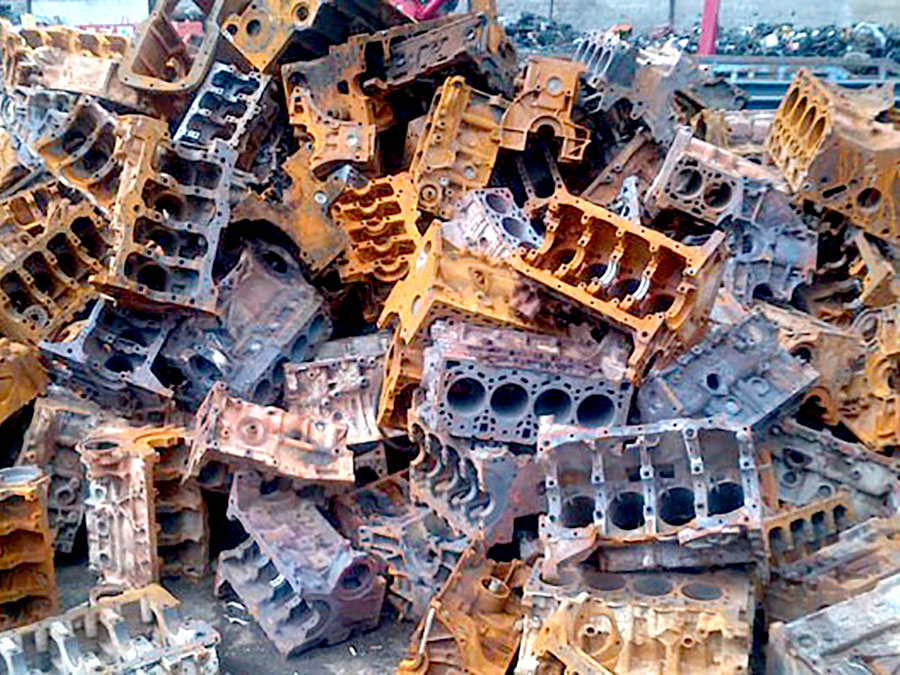
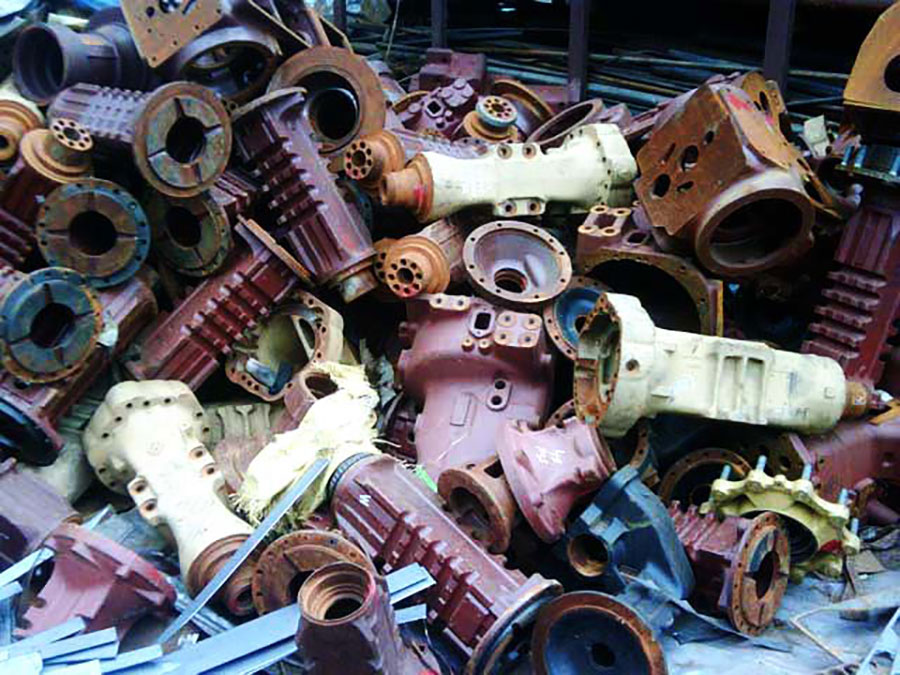
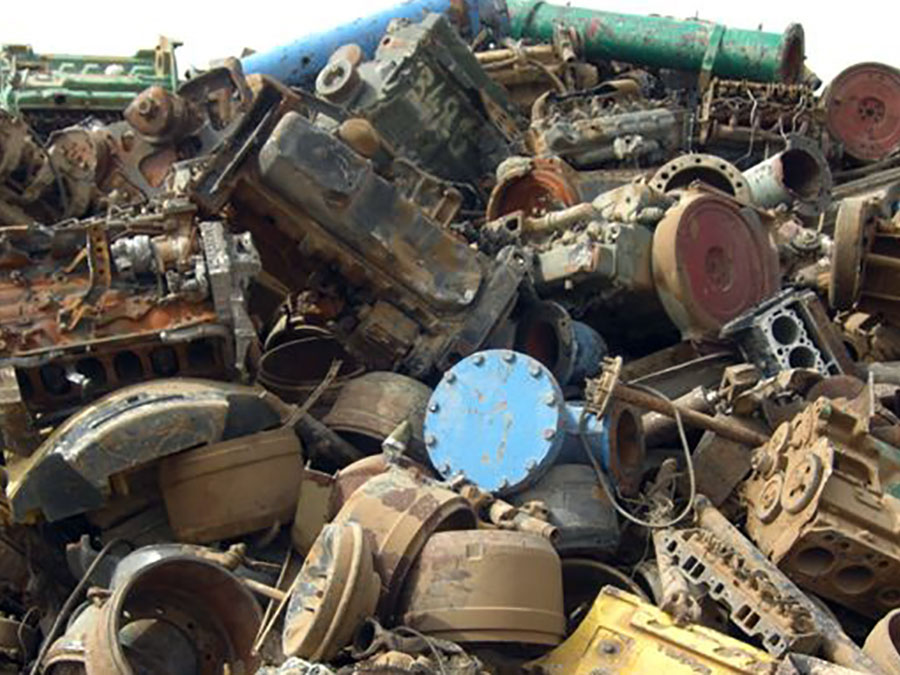
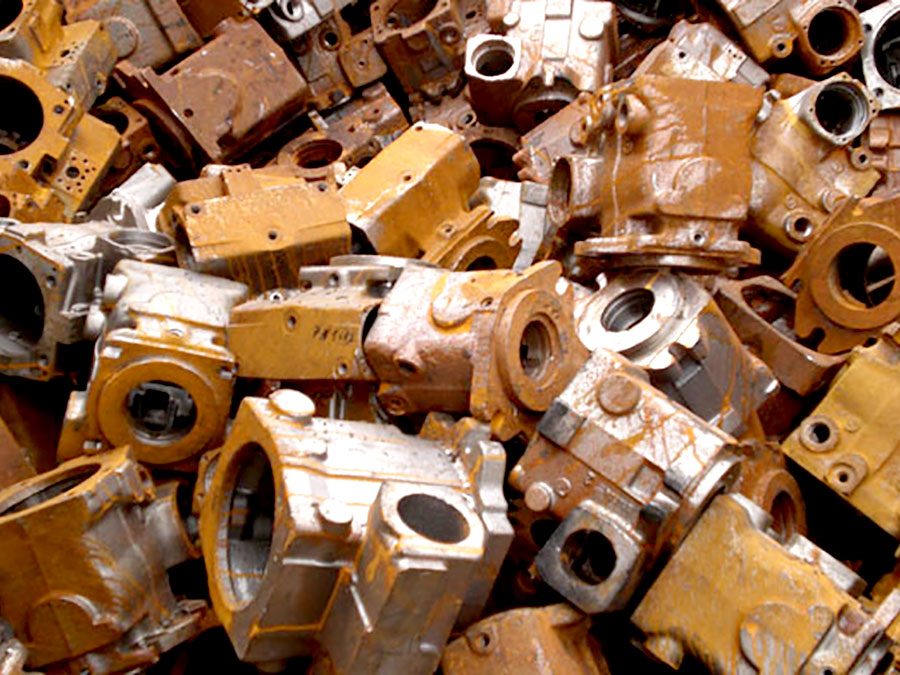
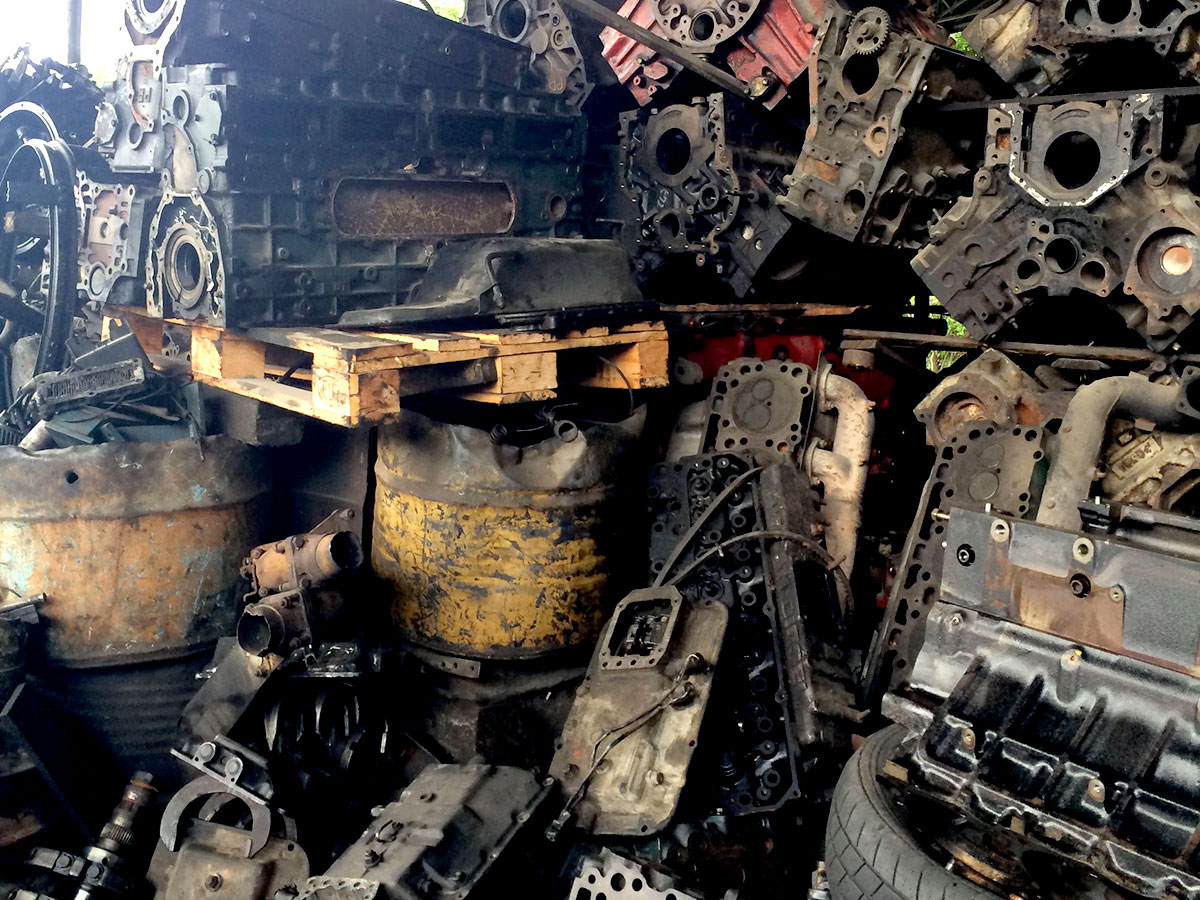
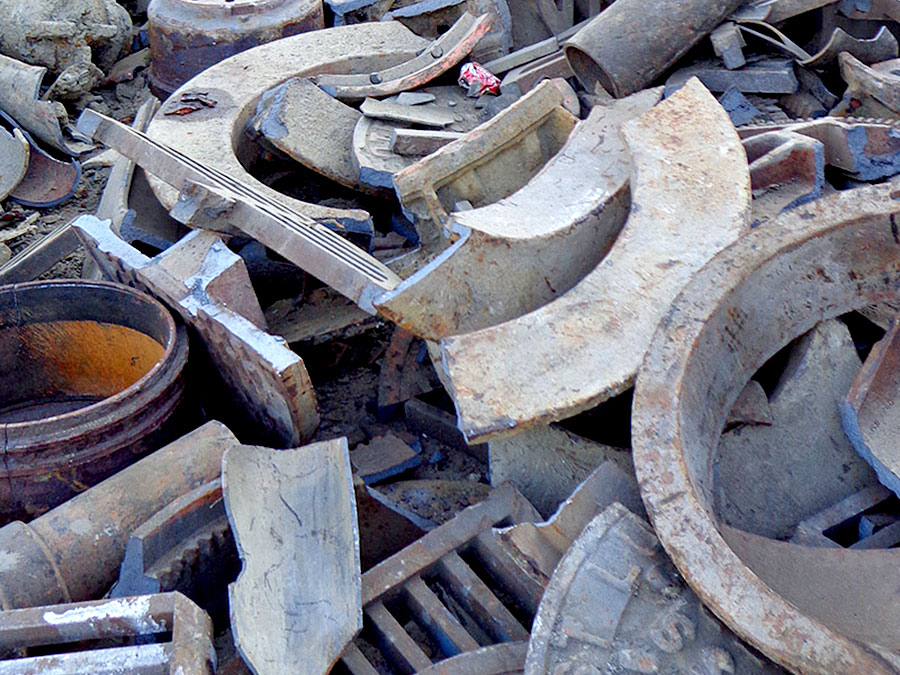
Engine blocks, machine bases, cast housings, pulleys, fittings and old cast parts.
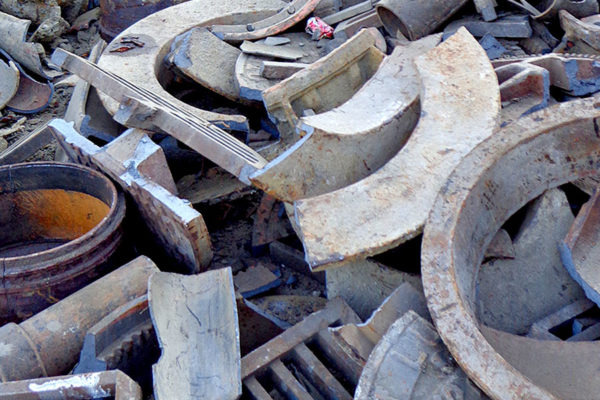
Any machine part manufactured by a casting process. It could be a used cast iron or unqualified one from a production line. The scrap texture is rough or non-smooth. It can be easily broken by pounding.
Length, width and diameter less than 1 meter
Cylinder block, cylinder heads, gears, engine blocks, flatbed lathes, centrifugal pumps, gas flow cylinder heads, sewing machine legs, weaving machines
Cast iron is an iron-carbon material with different melting behavior from steel, so it should not be mixed blindly with HMS or light scrap.
Engine blocks, machine bases, cast housings, pulleys, fittings and old cast parts.
Steel bolts, aluminum parts, brass fittings, oil residue, rubber and whether the pieces are too large to handle.
Show close-up photos of the fracture surface or casting shape and any attachments still fixed to the part.
No. Cast iron has a different carbon structure and is usually more brittle than steel, so buyers often evaluate it as a separate material group.
Common examples include machinery bases, engine blocks, cast housings, pipe fittings and other heavy cast parts after non-ferrous attachments are checked.
Price depends on cast quality, mixed steel or non-ferrous parts, oil contamination, piece size, quantity, loading access and current demand.
Remove loose rubber, plastic, aluminum and brass where practical, and keep cast iron separate from ordinary sheet or HMS material.