
Typical source
Sheet stamping, punching, blanking, slitting, presswork and other factory offcut processes.
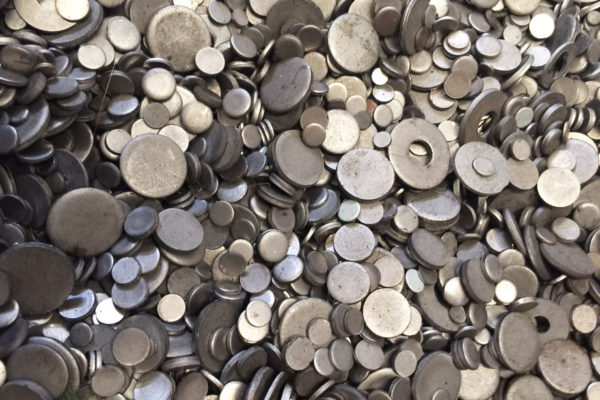
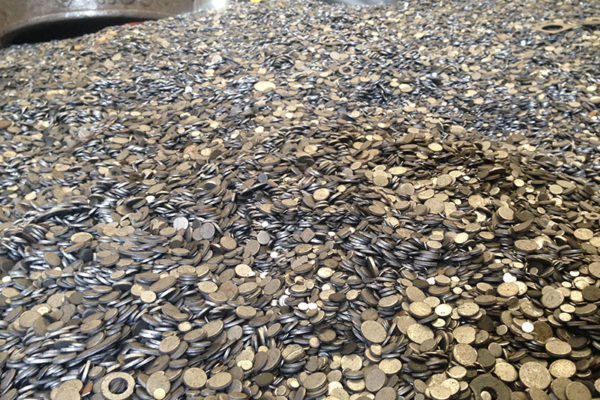
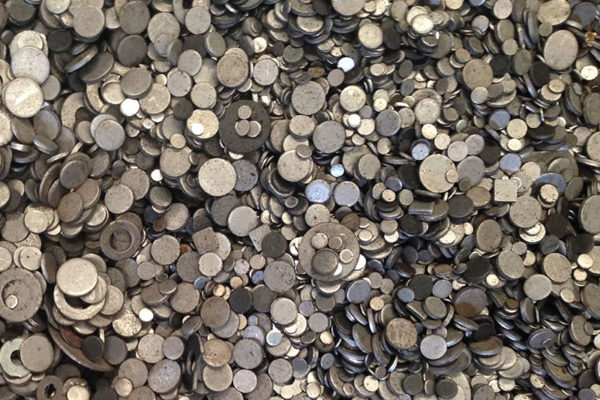
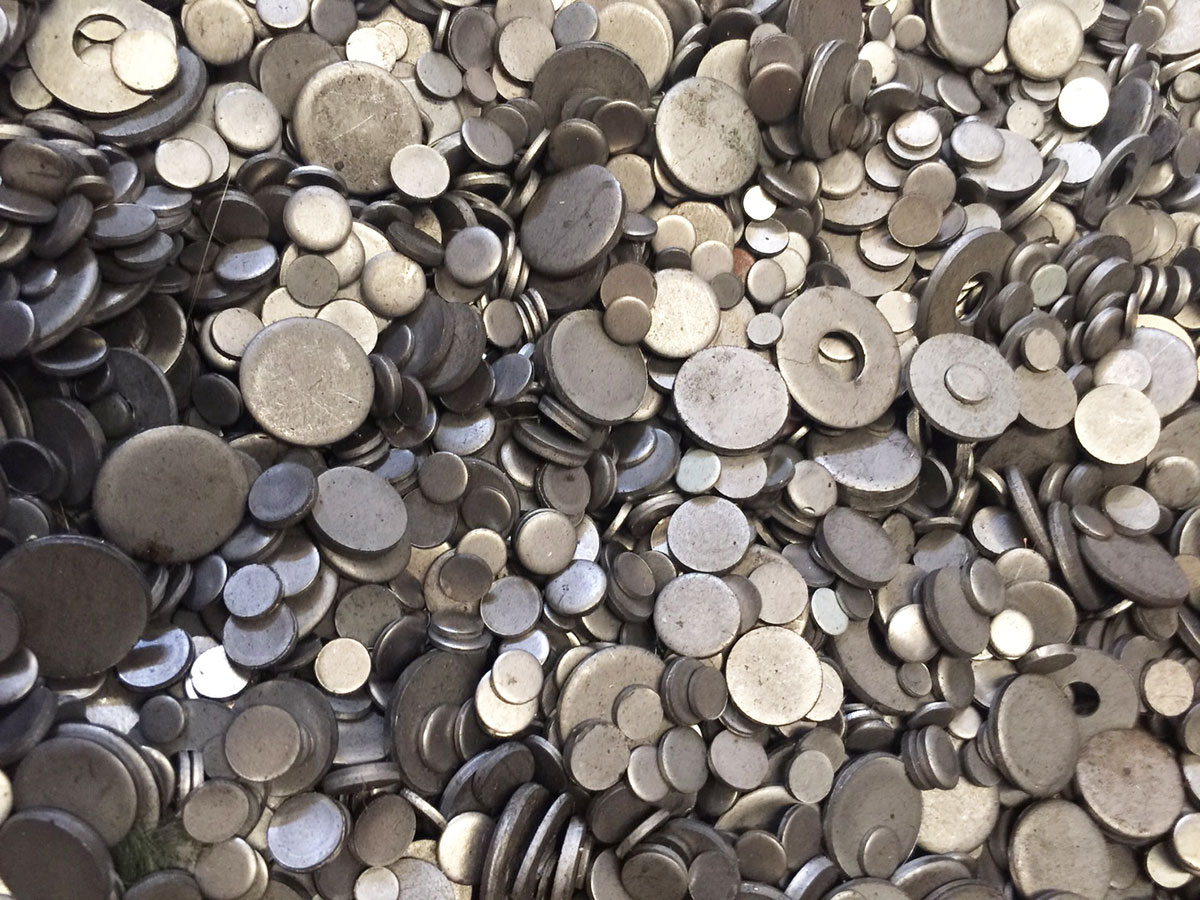
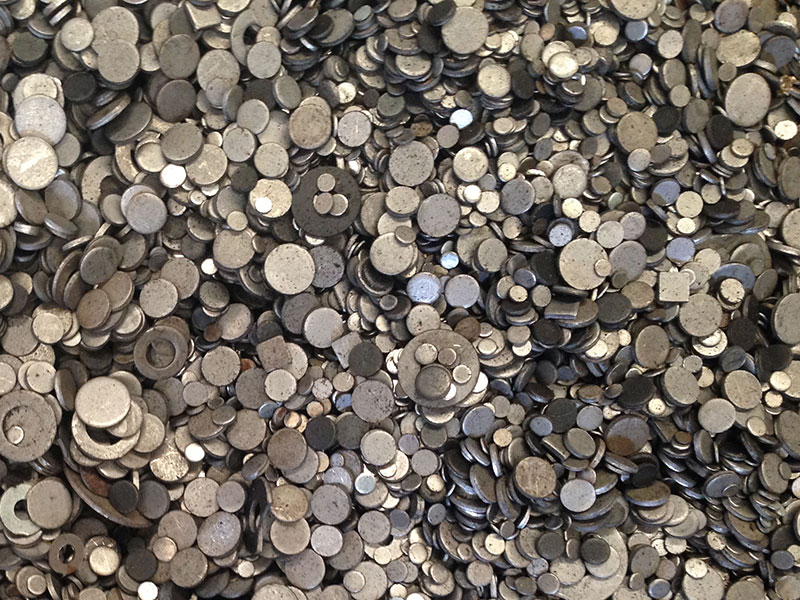
New mild steel left over from fastener production lines. There is no rusted, painted, galvanize iron or tin mixed.
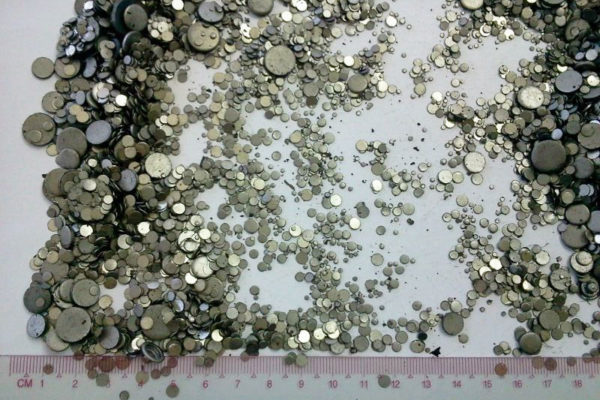
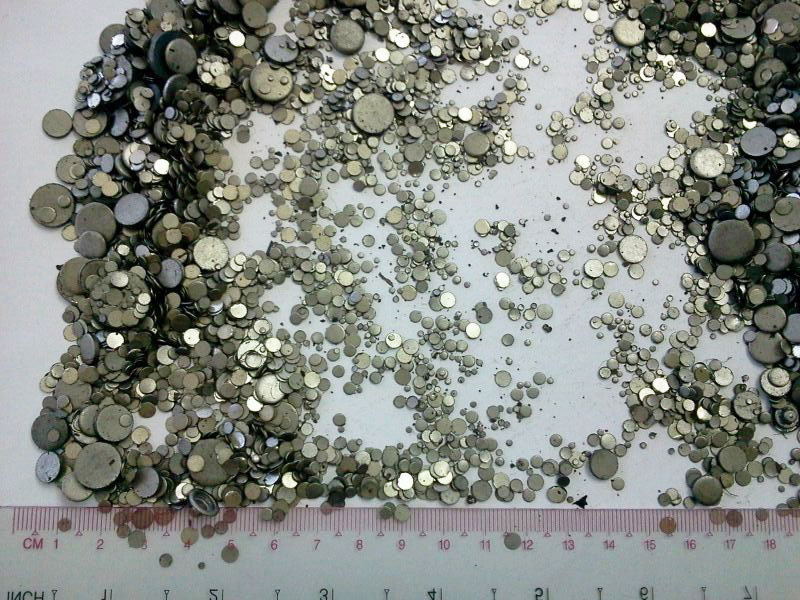
Diameter = 2.5 cm. or less
Nuts, bolts, screws, washers, fasteners, rings, etc.
Busheling, punching and stamping scrap usually comes from factory sheet processing, so consistency and grade separation matter more than general mixed scrap. Coin-size or size-sorted punching is easier to evaluate when the pieces are consistent and separated from coating, oil and non-steel contamination.
Sheet stamping, punching, blanking, slitting, presswork and other factory offcut processes.
Piece size, oil, coating, silicon steel, stainless or aluminum contamination and bundle quality.
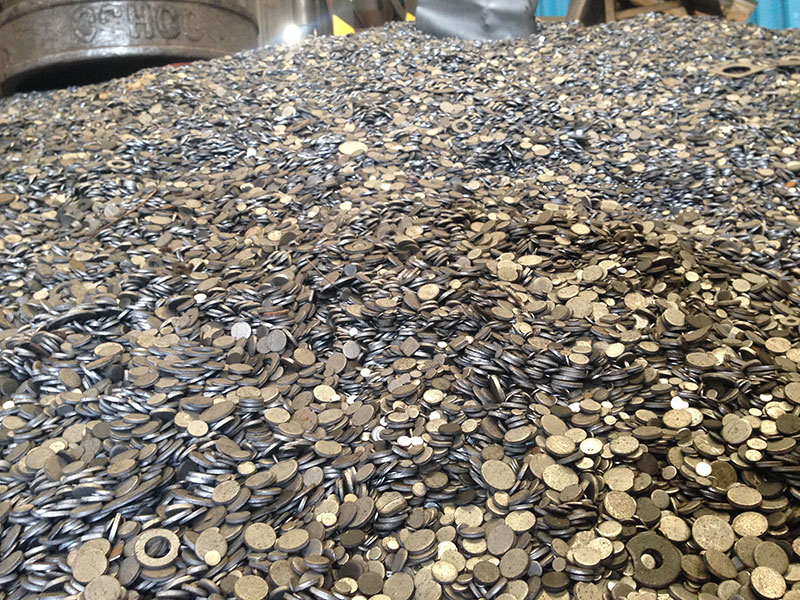
Send close-up photos of the pieces, pile photos, estimated monthly volume and whether the scrap is loose or bundled.
Factory stamping and punching scrap is often cleaner and more consistent than obsolete scrap, but coating, oil and mixed grades still affect the final assessment. Coin-size or size-sorted punching is easier to evaluate when the pieces are consistent and separated from coating, oil and non-steel contamination.
Separate black steel, galvanized sheet, silicon steel, stainless steel and aluminum. Mixed grades make melting control and pricing less precise.
Use one wide photo of the pile, one close-up showing thickness and coating, and one photo showing whether the material is loose, shredded or bundled.
Press shops, sheet-metal factories, automotive part suppliers, appliance factories and plants with regular cutting or stamping waste.